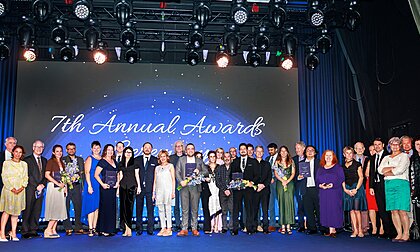
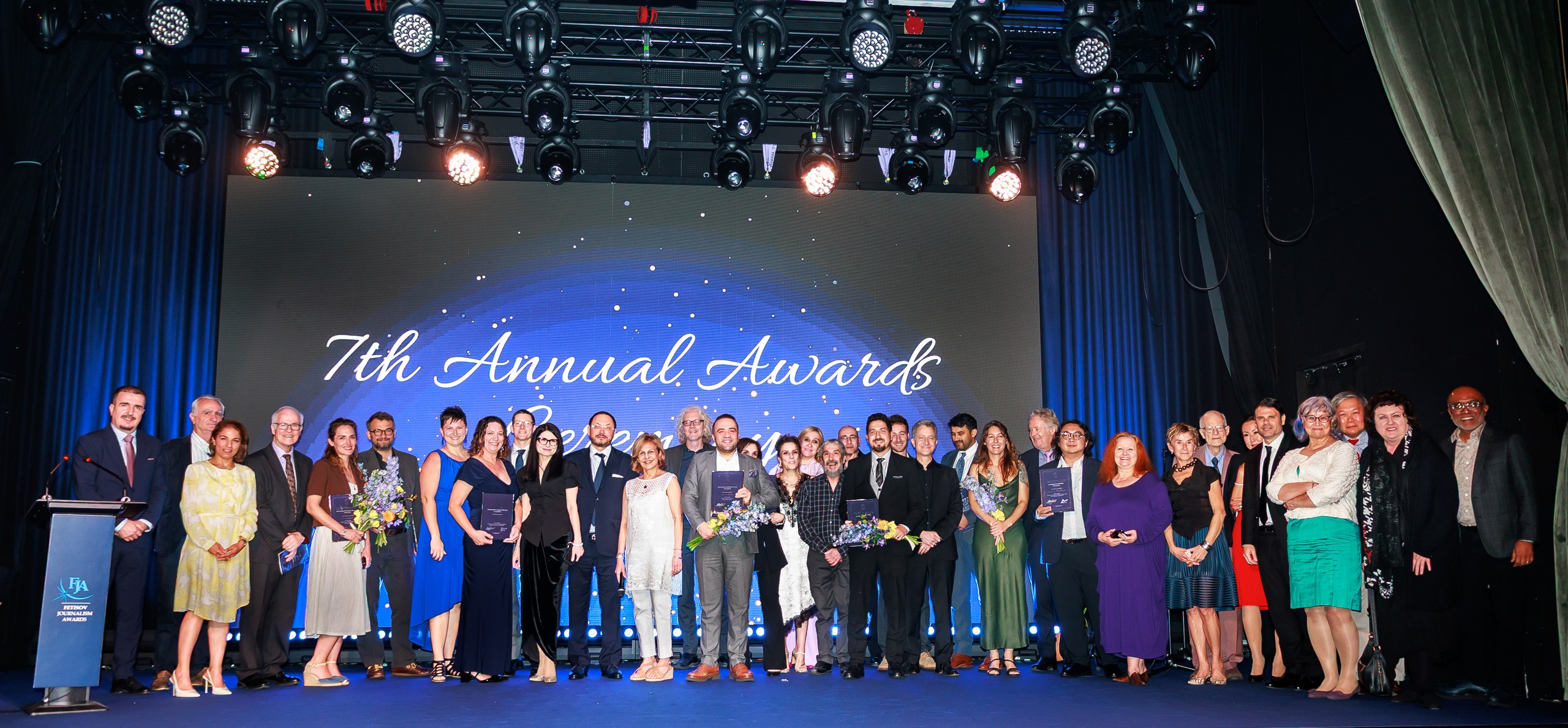
The Fetisov Journalism Awards announced the 2025 winners at the 7th Annual FJA ceremony, held on April 22nd, 2026 in Limassol, Cyprus.
The Awards celebrate outstanding journalists from around the world whose work speaks truth to power, exposes injustice and creates meaningful impact. This year’s winning stories focused on the human cost of war, corporate accountability, environmental threats, civil rights and the protection of vulnerable communities.
Each of the four categories was reviewed by carefully selected members of the Expert Council. The final winners were chosen by the FJA Jury, whose members include award-winning media experts, editors and international correspondents.
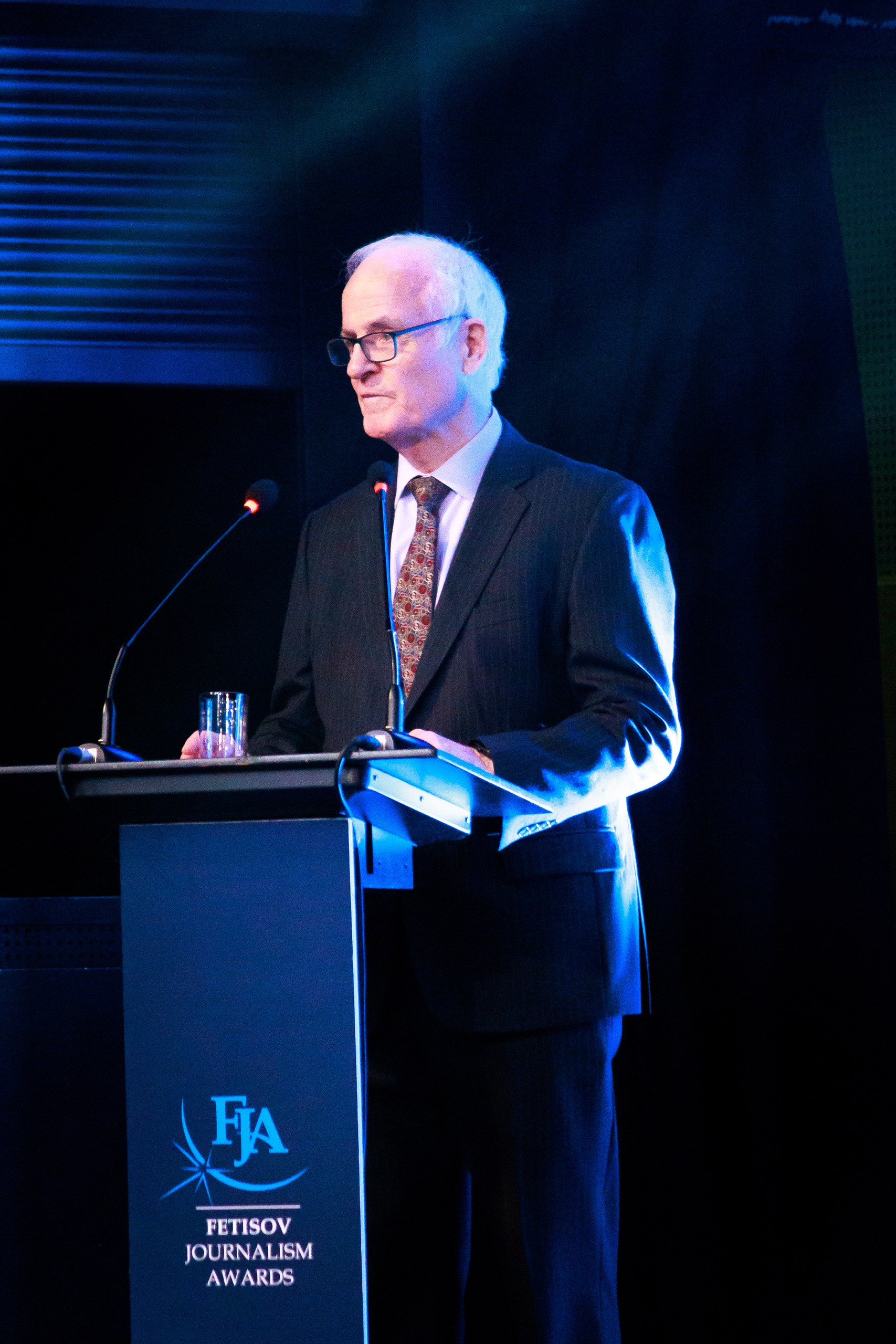
Aidan White, General Director of the FJA:
“All of these stories are courageous public interest narratives that hold power to account and expose appalling injustice. They show that quality journalism, stylish and fact-based, continues to speak truth to power and remains a cornerstone of democracy and protection of the people’s right to know.”
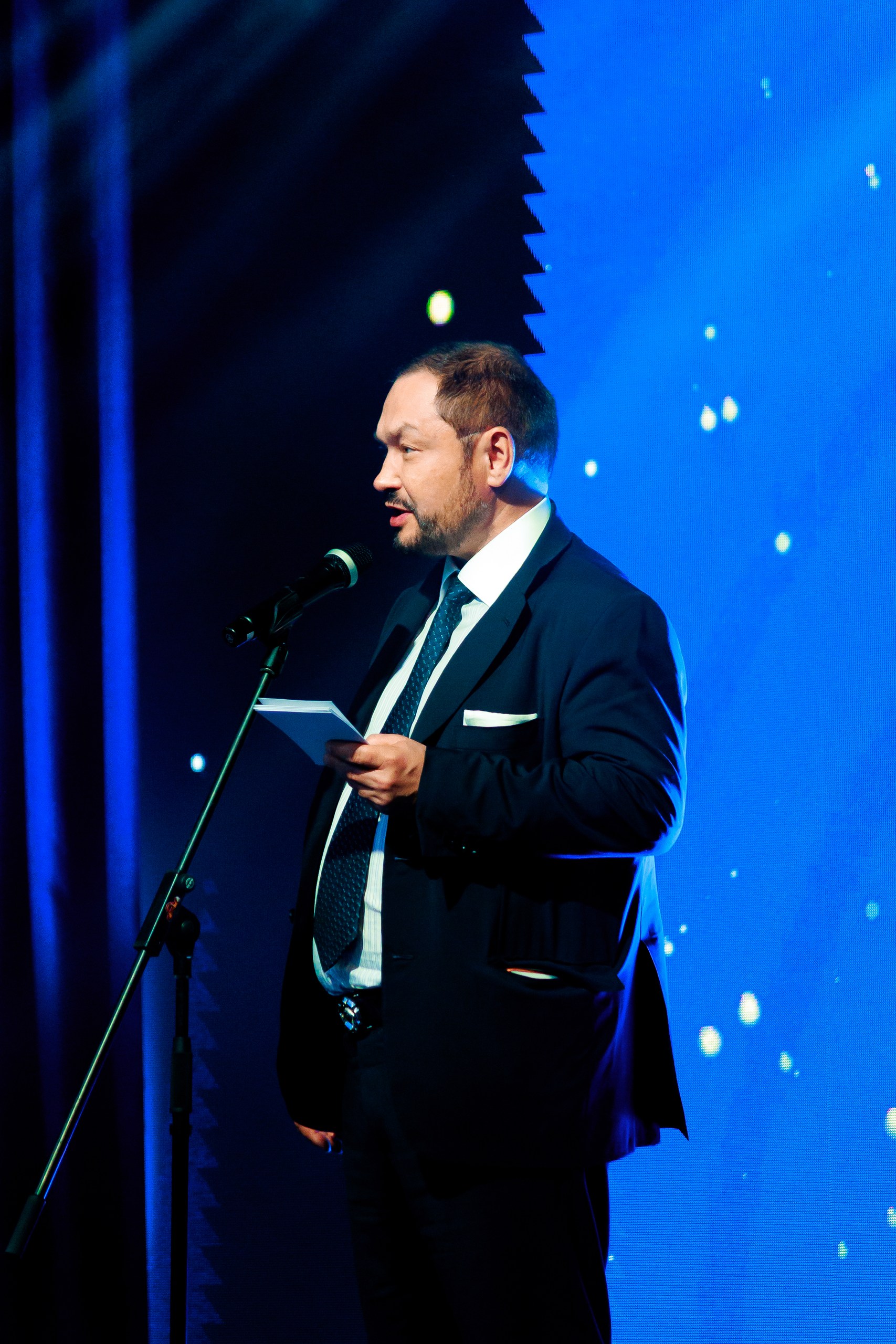
Gleb Fetisov, Founder of the Fetisov Journalism Awards:
In his welcome adress at the Awards Ceremony, FJA Founder Gleb Fetisov highlighted the importance of journalism in the cause of peace. He said: “The duty of journalism is to prevent maniacal politicians and their hidden puppet masters from crossing the threshold into war. The suffering of the victims of war does not divide along nationality, skin color, or religion. Blood has only one color.
The community of truthful journalism is precisely such a unique system within society – one capable of reversing the unfolding drama of our world, at a moment when its very existence is under threat. Your voice matters. The peace achieved with your help will make all sides winners – and abolish defeat itself. I believe you will not sell your power. And together, we will walk this path. Thank you for your work – and for your courage.”
Learn more about the winning stories: https://fjawards.com/finalists
Outstanding Contribution to Peace
First Prize Winner
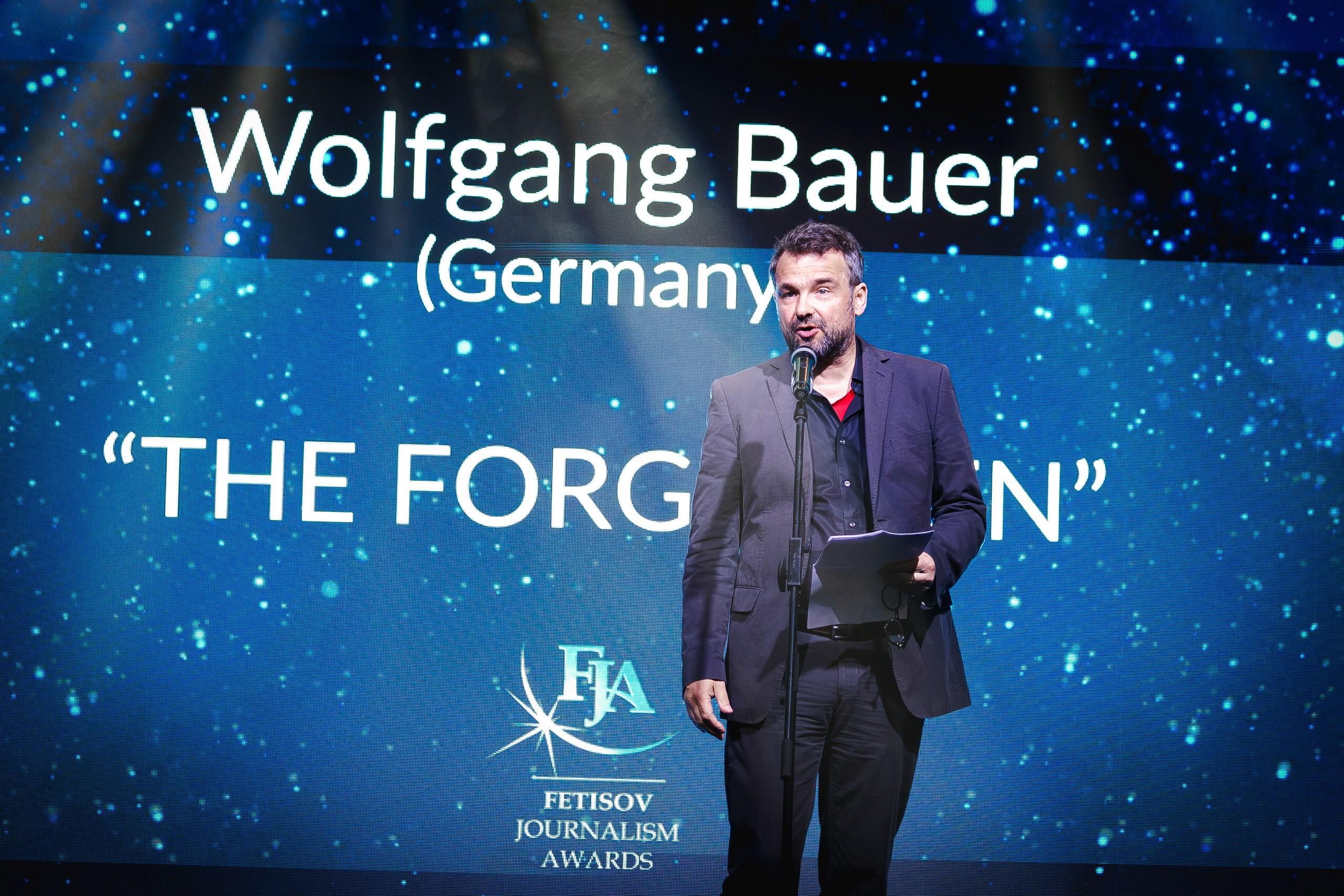
Wolfgang Bauer (Germany)
The Forgotten
Wolfgang Bauer’s extraordinary report shines a light on the horrors surrounding the civil war in Sudan. He describes it as the world’s forgotten conflict, in which 150,000 people have died, famine has ravaged the population and around 12 million people have fled their homes. According to the United Nations, it is “the largest humanitarian catastrophe ever documented.” Bauer tells the story in a vivid act of truth-telling and demands that the world wake up and take notice: the tragedy of Sudan cannot be ignored any longer.
Second Prize Winner
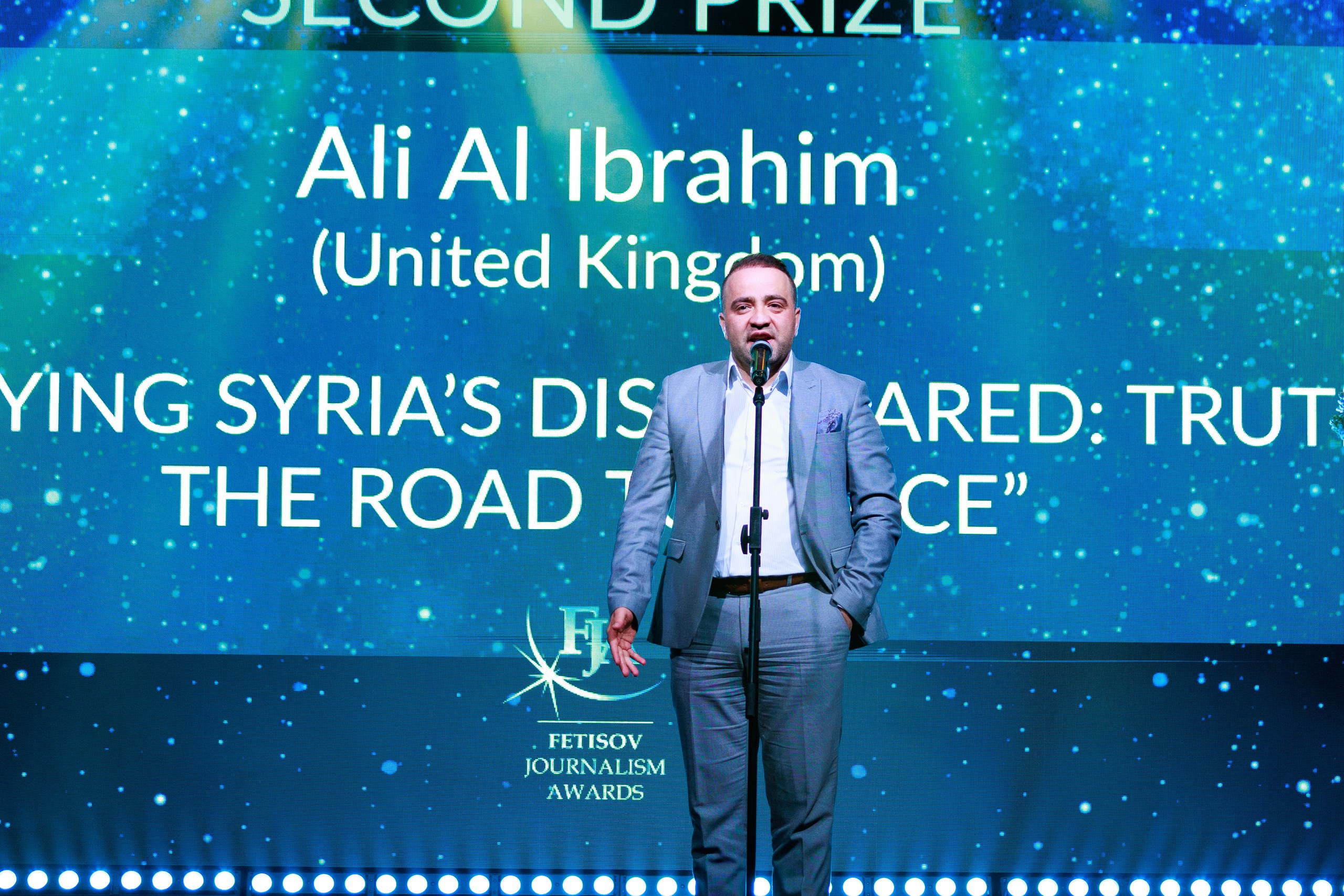
Ali Al Ibrahim (United Kingdom)
Unburying Syria’s Disappeared: Truth as the Road to Peace
Ali Al Ibrahim’s investigation underlines how, in order to make peace, we must first tell the truth about war. This forensic reporting from post-conflict Syria reveals how prisons, military hospitals and mass graves were systematically used to erase human lives. Based on the moving testimony of survivors and official records, the report gives voice to the victims of appalling atrocities and reinforces the call for a registry of the disappeared.
Third Prize Winner
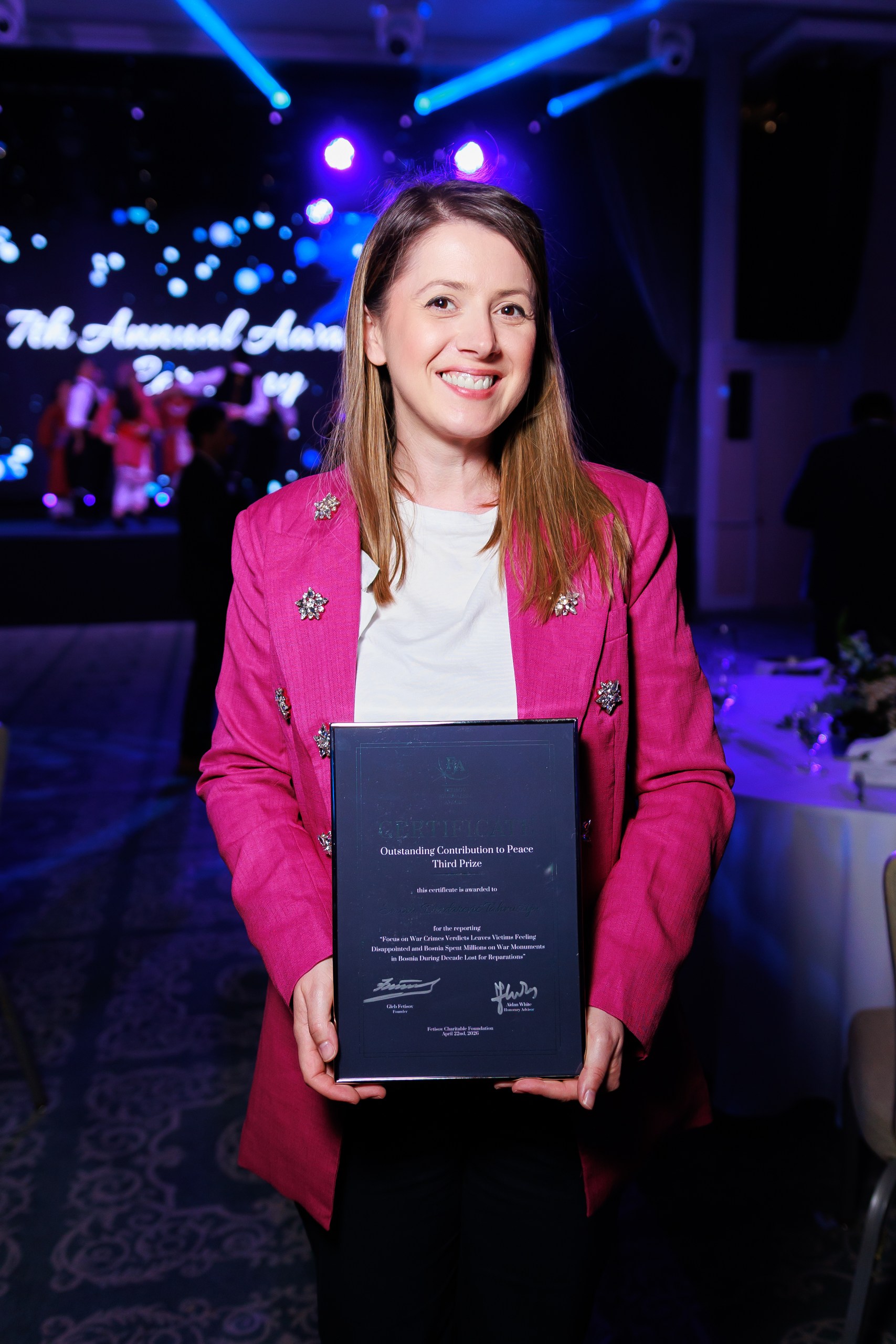
Emina Dizdarević Tahmiščija (Bosnia and Herzegovina)
Focus on War Crimes Verdicts Leaves Victims Feeling Disappointed and Bosnia Spent Millions on War Monuments During Decade Lost for Reparations
The war in Bosnia ended decades ago, but the fight for justice continues. These reports analyse the impact of war crime trials and the continuing demand for accountability. This journalism looks beyond legal actions and international peace efforts to examine the human consequences of the search for justice and reconciliation.
Contribution to Civil Rights
First Prize Winner
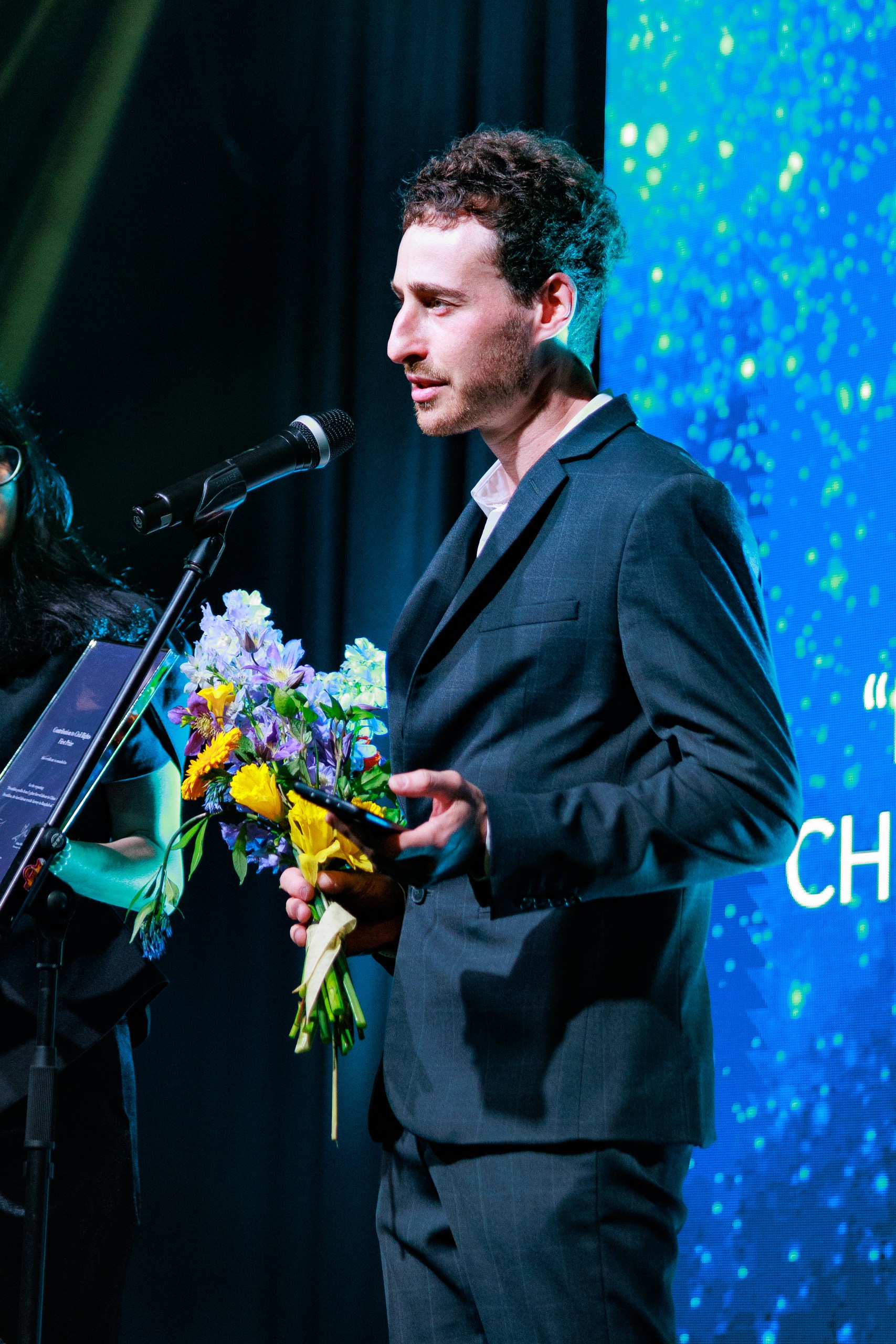
Pierre Francois Leibovici (France)
Decathlon profits from Uyghur forced labour in China
Behind the glamour of international fashion is often a darker story of profiteering and exploitation. Pierre Francois Leibovici devoted more than a year to this impressive exposé, revealing how the French sportswear firm Decathlon sold clothes produced by forced labour in China and from clandestine factories in Bangladesh. The report led to immediate changes: the company cut ties with a major supplier in China and tightened controls over its supply chain.
Second Prize Winner
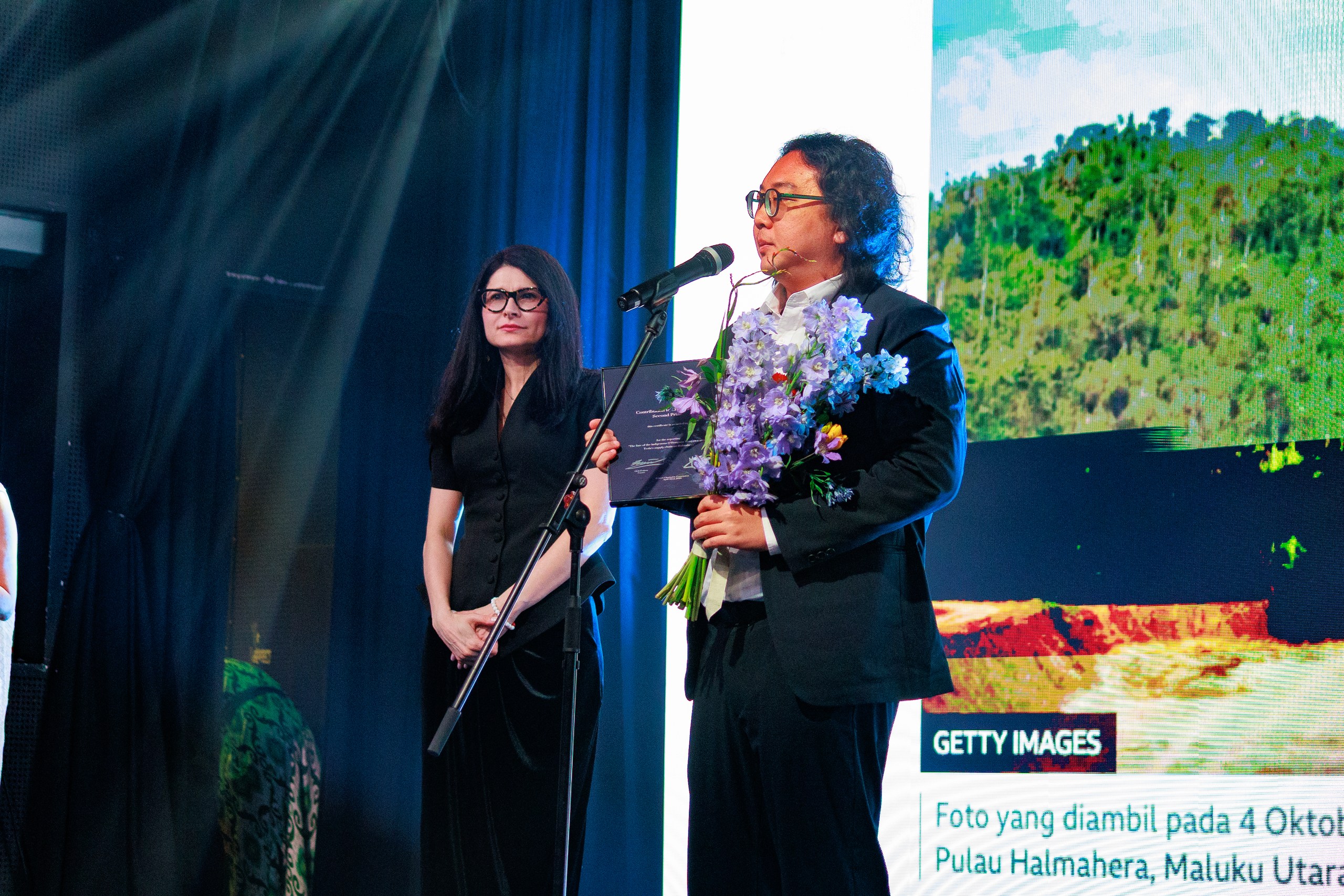
Viriya Paramita Singgih (Jakarta)
The fate of the indigenous O’Hongana Manyawa around Tesla’s supply chain on Halmahera
In a global economy, access to scarce resources can have a dramatic impact on people’s lives. Viriya Paramita Singgih tells the story of an ancient indigenous community in Indonesia living on land rich in nickel. They have lived there for centuries, yet authorities misunderstand, criminalize and push them out of their ancestral homes. As nickel production increases, their plight has drawn attention from Tesla, one of the world’s leading car manufacturers and a major nickel consumer.
Third Prize Winner
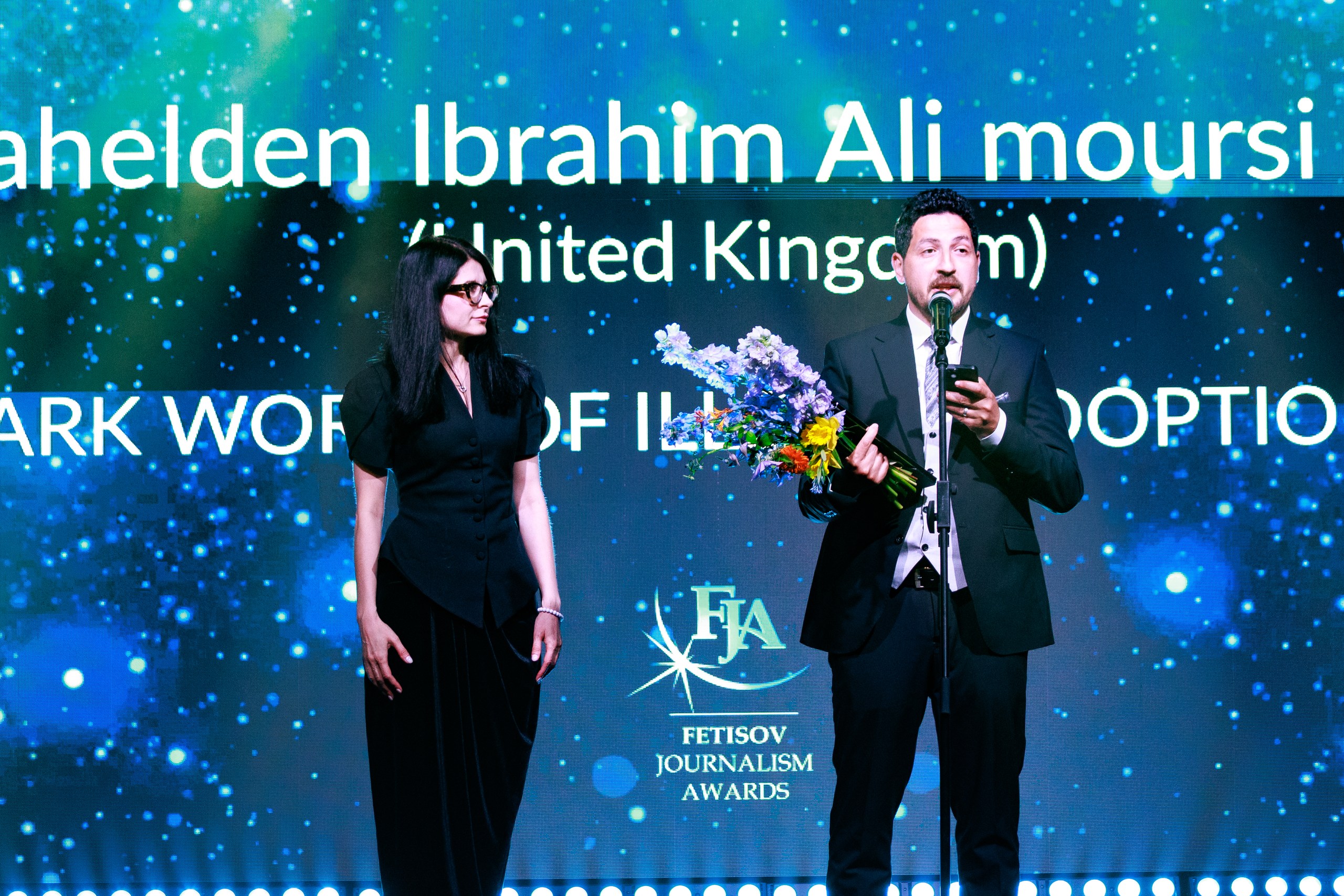
Salahelden Ibrahim Ali Moursi Laban (United Kingdom)
The Dark World of Illegal Adoption in Egypt
This moving report investigates the inhumanity of child trafficking in Egypt. The system operates through illicit networks that promote the illegal sale of children under the guise of “adoption.” It is a heartbreaking story that exposes how online networks turn children into commodities and exploit the emotions of families and the vulnerability of children.
Outstanding Investigative Reporting
First Prize Winner
Yuval Abraham (Israel-Palestine)
Bomb the area, gas the tunnels: Israel’s unbridled war on Gaza’s underground
“Order from Amazon”: How tech giants are storing mass data for Israel’s war
Leaked documents expose deep ties between Israeli army and Microsoft
The Israeli journalist Yuval Abraham is a pre-eminent investigative reporter and an Oscar-winning filmmaker. His courageous and ground-breaking stories focus on the human consequences of the war in Gaza. At a time when media scrutiny of the conflict was severely restricted, his reports reveal how Palestinian civilians were the victims of reckless use of devastating weapons of war. He also exposed the complicity of big tech companies Microsoft and Amazon in the genocidal violence. The series has led to more heart searching both inside the country and internationally over Israel’s controversial actions in Gaza.
Second Prize Winner
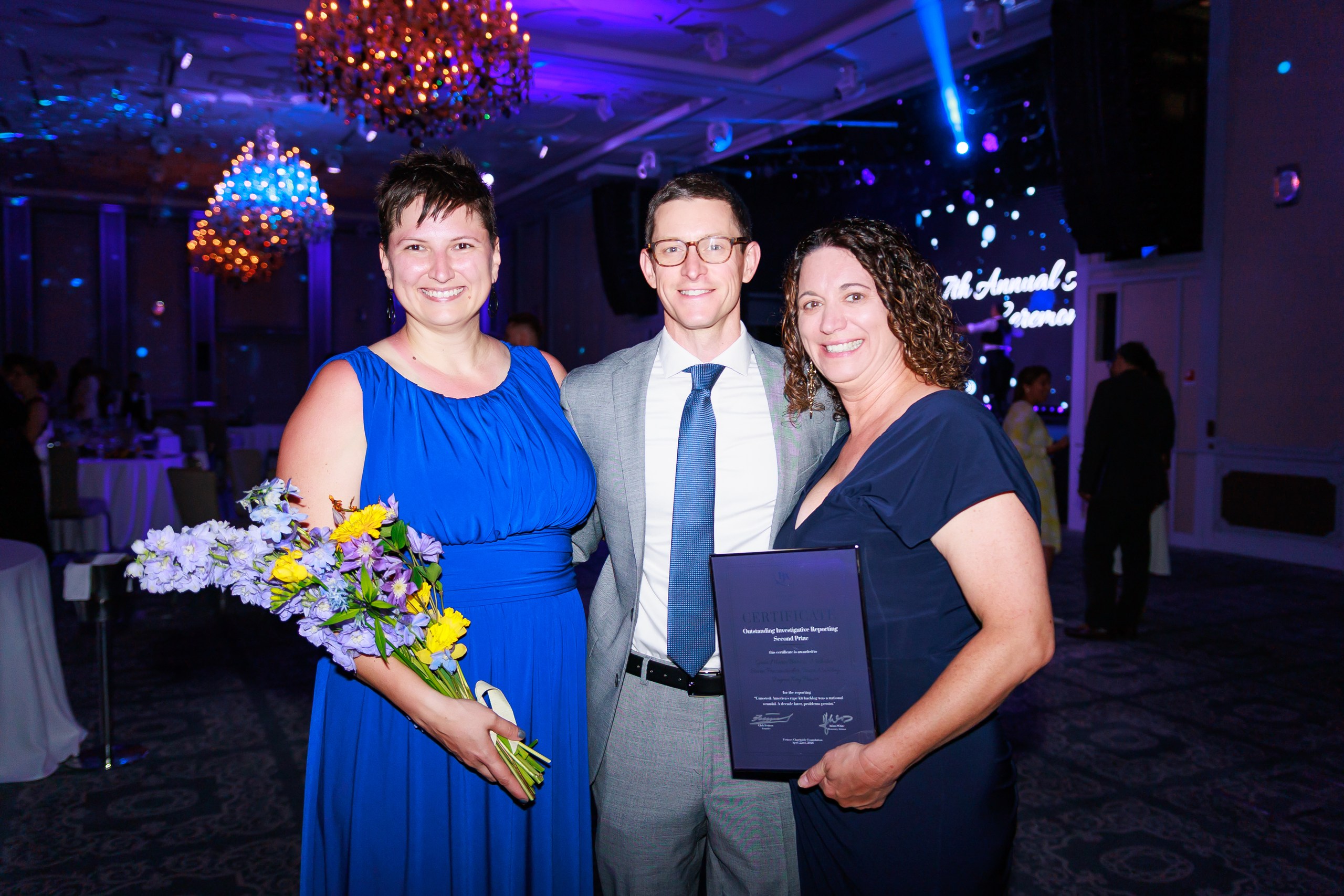
Gina Marie Barton, Nicholas Steven Penzenstadler, Tricia Nadolny, Jayme Kay Fraser (USA)
Untested: America’s rape kit backlog was a national scandal. A decade later, problems persist
This investigation exposed how a programme worth hundreds of millions of dollars failed victims of rape in the United States. The journalists’ detailed analysis revealed incompetence and neglect that undermined a national effort to deliver justice to survivors of sexual violence. Their work prompted a response from the White House, promises of change from government, and heartfelt thanks from survivors whose suffering was finally given the attention it deserved.
Third Prize Winner
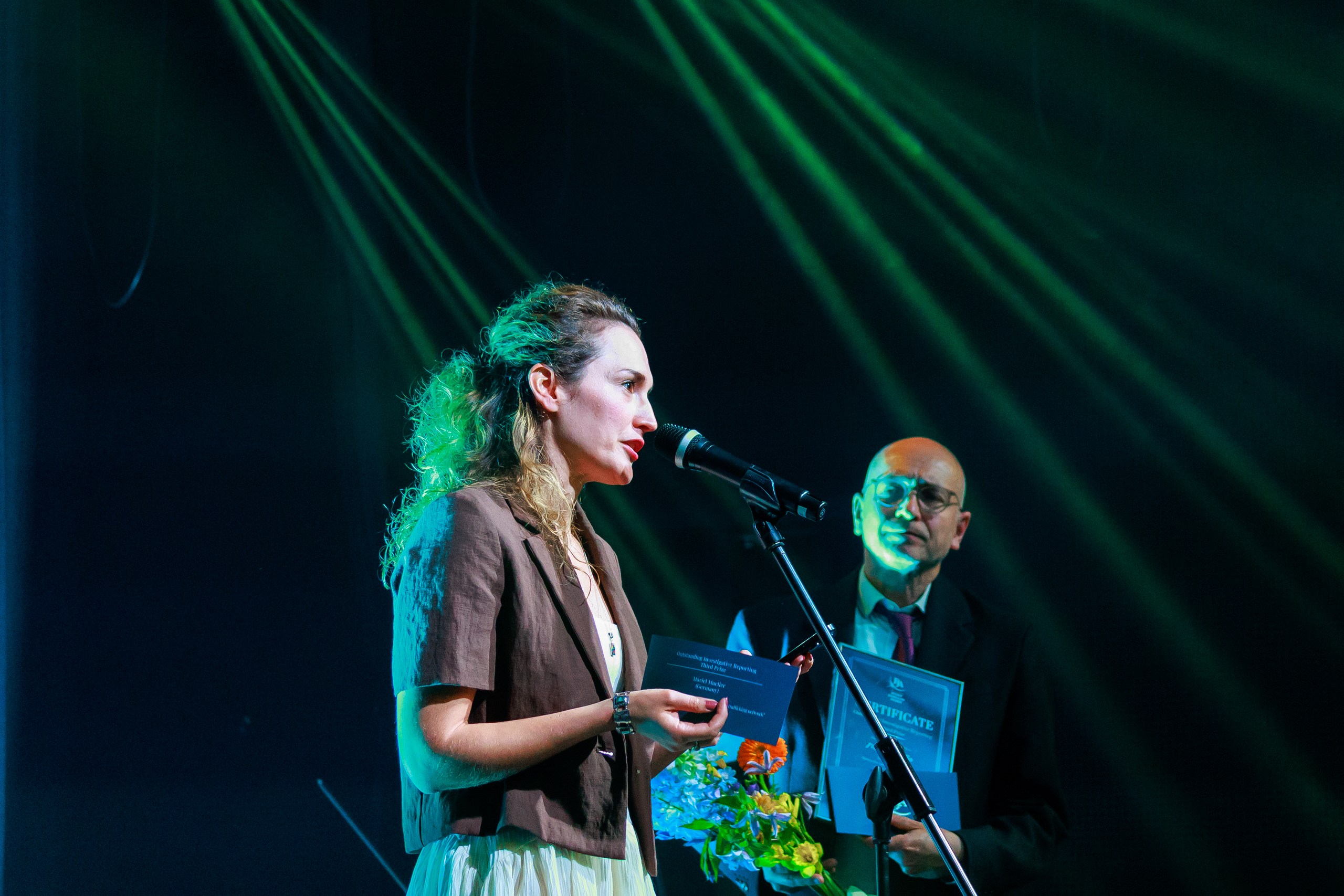
Mariel Mueller (Germany)
Kidneys for cash: Inside a global organ trafficking network
The horrifying business of illegal organ trading exploits vulnerable people in both rich and poor countries. Mariel Mueller’s report reveals how an international network linking Germany and Kenya profited from desperation – both from people seeking life-saving transplants and from young donors driven by poverty to sell their organs. As a result of her work, illegal and unethical organ trading has been halted in one part of the world, while new debate has begun on how to eliminate this appalling practice.
Excellence in Environmental Journalism
First Prize Winner
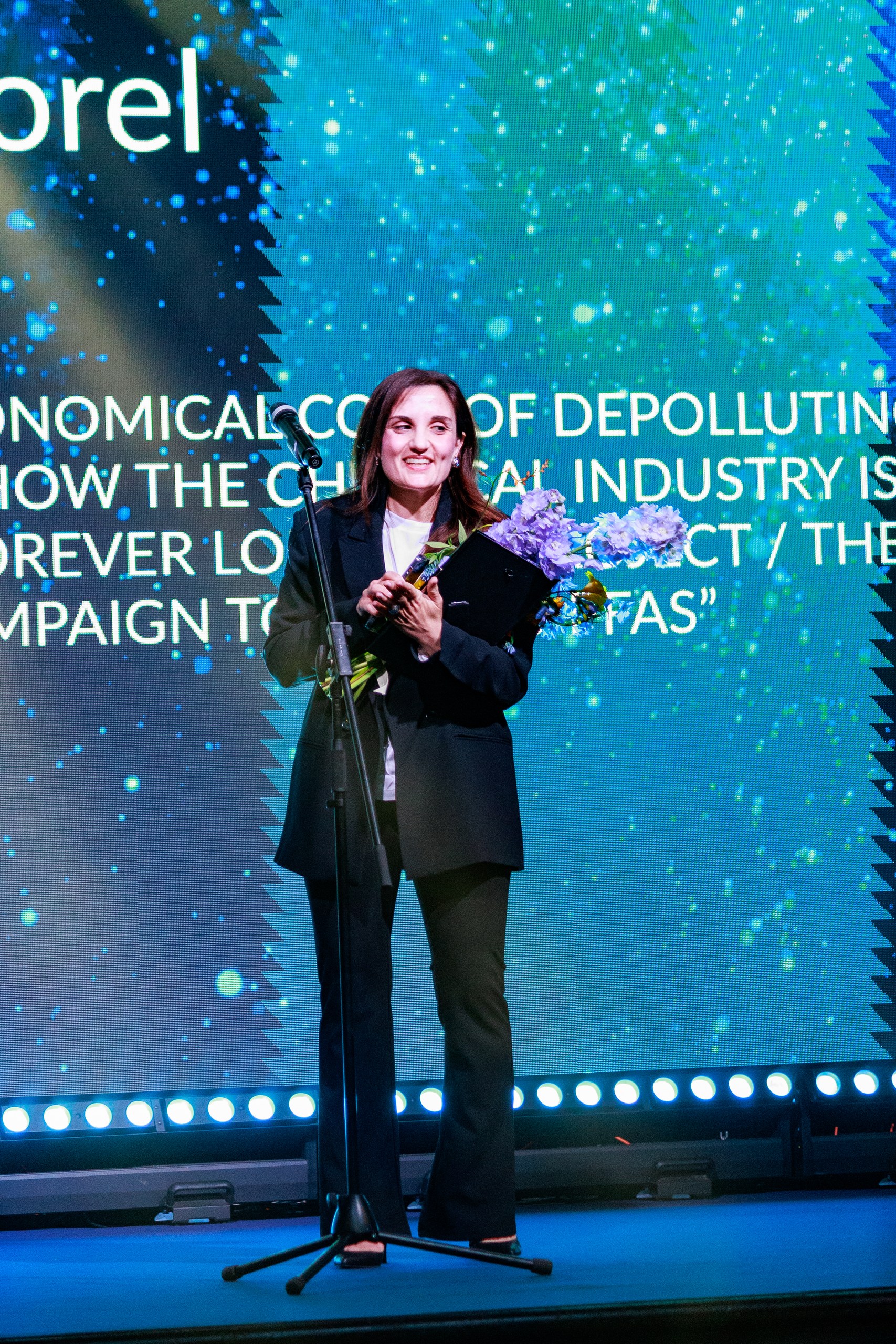
Stéphane Horel (France)
Forever Lobbying Project
PFAS: The astronomical cost of depolluting Europe
PFAS: How the chemical industry is derailing a ban on 'forever chemicals'
The plastics lobby's disinformation campaign to defend PFAS
This is an example of collaborative and public interest journalism par excellence. Stéphane Horel and 46 colleagues, supported by an international team of academics and lawyers, analysed more than 14,000 unpublished documents and exposed how powerful industries launched a campaign, laced with disinformation, to block European laws on environmental pollution. At stake is a potential bill of more than two trillion euro to clean up pollution from toxic compounds which could affect the health of almost everyone on the planet.
Second Prize Winner
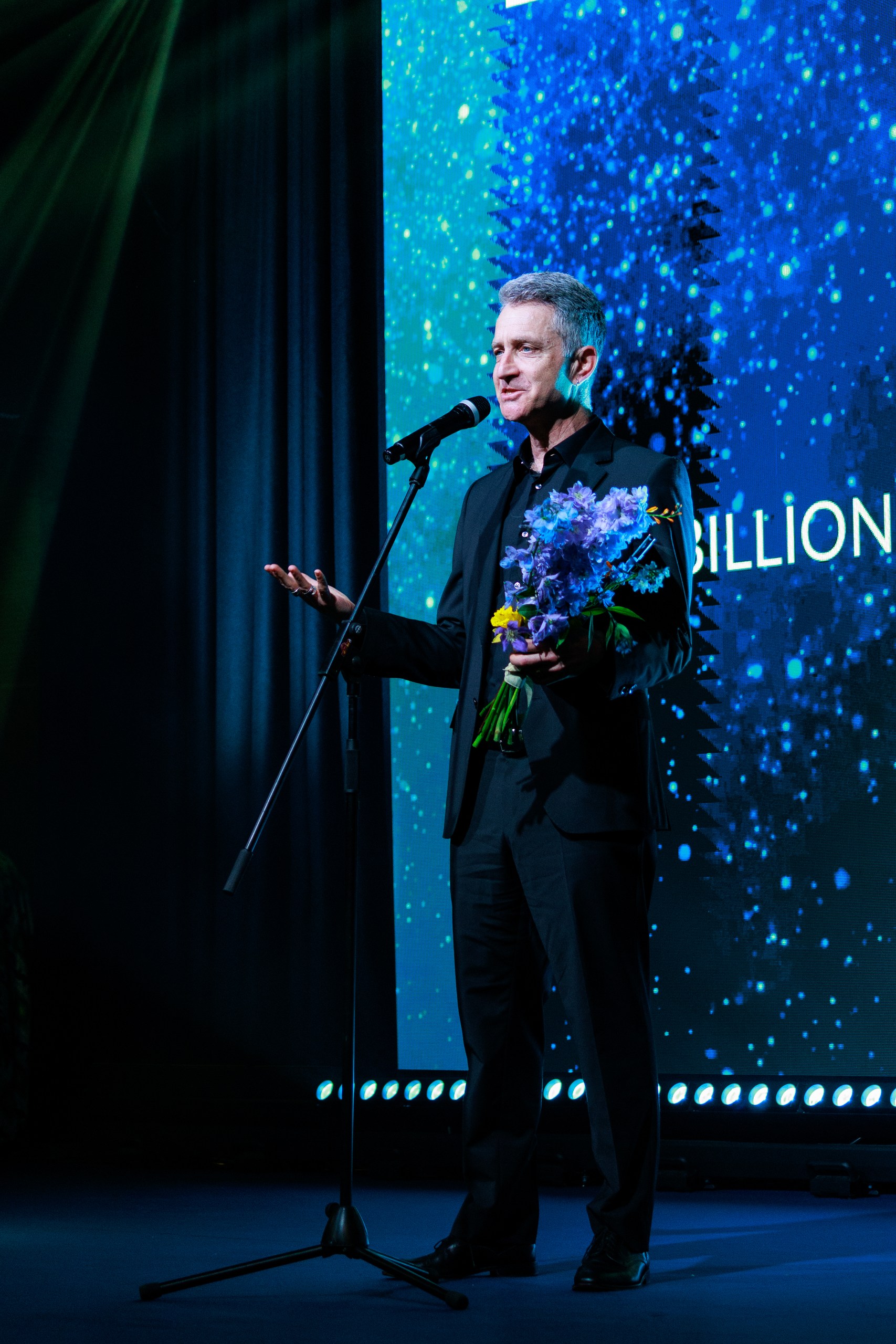
Vincenzo L Beiser (Canada)
A $60 Billion-a-Year Climate Solution Is Sitting in Our Junk Drawers
Recycling electronic waste can help solve the climate crisis, but it comes at a price, says Vince Beiser. His reporting based on visits to scrapyards and garbage dumps as well as interviews with experts, shines a light on the challenges of the energy transition. Without recycling, he warns, there will be more mining and more pollution. His story helps readers better understand why a sustainable future is urgently needed.
Third Prize Winner
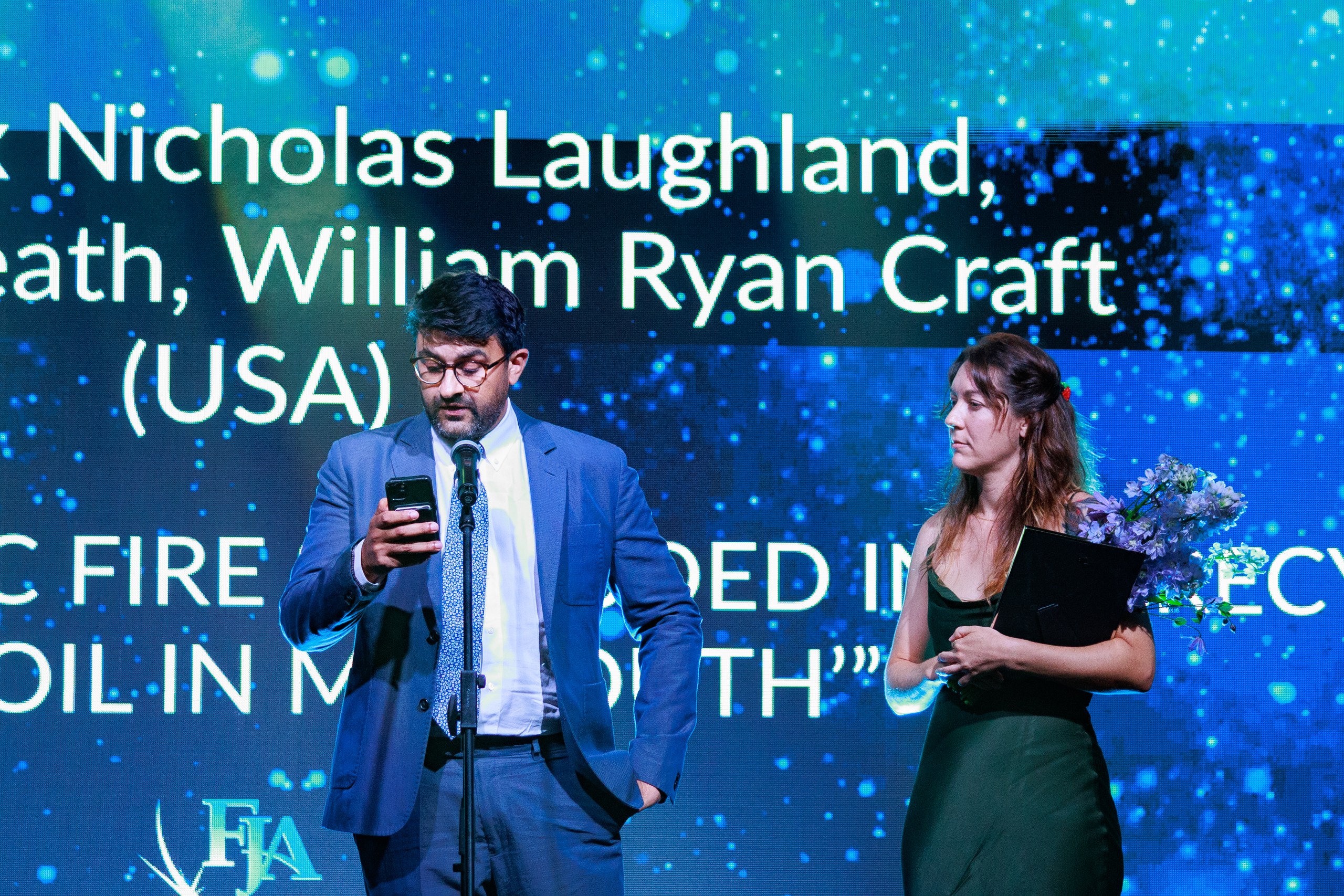
Oliver Max Nicholas Laughland, Sara Kay Sneath, William Ryan Craft (USA)
The huge US toxic fire shrouded in secrecy: “I taste oil in my mouth”
Journalists know that the word of governments and corporations cannot always be taken at face value. When one of the largest oil refineries in the United States caught fire, officials rushed to reassure the public. But this report told a different story, revealing that the accident caused significant harm that had been hidden from the public. As a result of the reporting, affected people have taken legal action, while transparency rules and safety protocols have been revised.
More photos are available here: Photos from the FJA ceremony 22 April 2026
You can watch the video of the ceremony here: https://youtu.be/wdj5y7FbQ9I?si=oG32egGzEOAxUbMS